

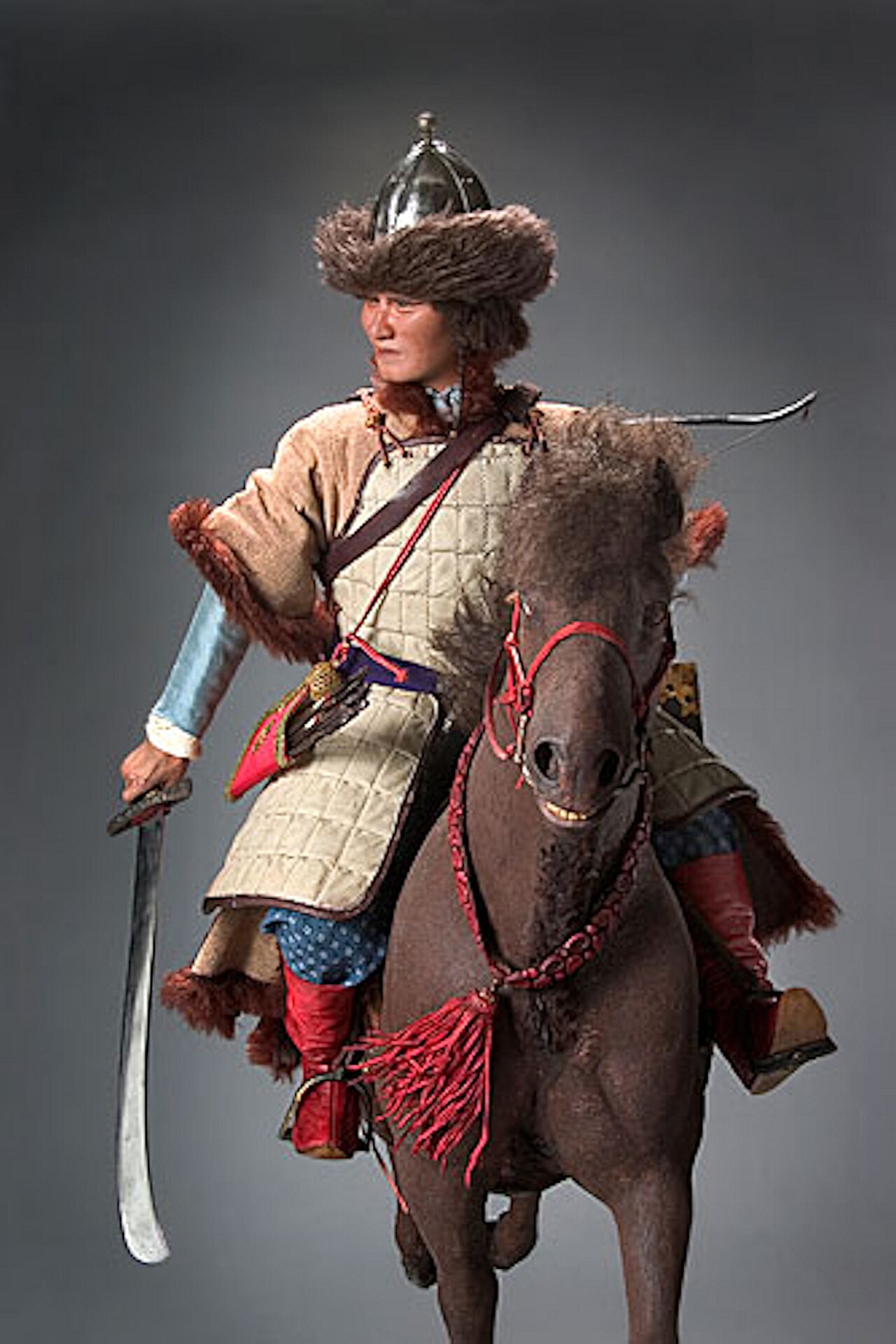
David Faux’s Historical Hypothesis: Uldin = Odin
Historical Figure Uldin
Active Period: 376-408 A.D.
- Leader of the Huns
- Real person documented in Roman historical records
- Suddenly disappeared from classical writers’ records after 408 A.D.
Records in Norse Sagas
According to Snorri Sturluson’s records:
1. Original Homeland
- The Asir (Aesir) people resided beyond the Don River
- Principal settlement: City near the Caucasus Mountains
- Present-day Azerbaijan region
- Azeri = Phonetically nearly identical to Aesir
2. Great Migration Northward (Early 5th Century)
Family Structure:
- Odin’s two brothers remained in the Caucasus region with some of their people
- Odin led the majority of his people northward
Migration Route:
Azerbaijan/Caucasus Mountains
        ↓
    Don River Region
        ↓
   Ostrogothic Territory
        ↓
Lake Malar, Sweden
Gamla Uppsala
3. Settlement in Sweden
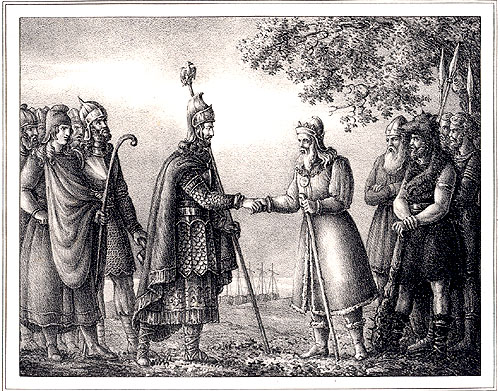
Negotiation and Settlement:
- Negotiated with Gilfyr, then king of the Sveres
- Acquired lands around Gamla Uppsala
- Given the Huns’ reputation for extreme violence, it was likely an offer of power-sharing that Gilfyr could not refuse
Territorial Expansion:
- Sent his sons to other regions
- Occupied Oslofjord in Norway, among others
Archaeological Evidence
Three Burial Mounds at Gamla Uppsala:
- Attributed to 5th-century Swedish kings
- Scythian burial practices:
- Cremation burials
- Wealth of grave goods
- 20-foot (approximately 6 meters) high mounds
- Identical to burial practices in Altai region from before the birth of Christ
Composition of Odin’s People
Composite Ethnic Group:
- Sarmatians
- Huns (Hunnish)
- Germanic peoples
Characteristics:
- Mixture of Scythian-Hun and Germanic peoples
- German language used as lingua franca of the time
- Fusion of Central Asian nomadic tradition + Germanic culture
Odin in Norse Mythology
Mythological Status
- Supreme god (Allfather)
- God of war, wisdom, magic, poetry, and death
- Ruler of Asgard
- Master of Valhalla
Connection Between Myth and History
Why did a historical figure become a god?
- Charisma as a powerful military leader
- Central Asian shamanistic tradition (Tengri worship)
- Introduction of new culture/technology to Germanic peoples
- Deification as dynasty founder
Similar Cases:
- Deification of Romulus in Rome
- Deification of Egyptian Pharaohs
- Chinese emperors’ title as “Son of Heaven” (天子)
Summary of Evidence for the Hypothesis
1. Chronological Correspondence
- Uldin: Disappeared from records in 408 A.D.
- Gamla Uppsala mounds: Built in early 5th century
- Migration period matches precisely
2. Geographical Correspondence
- Sagas: Beyond Don River, Caucasus region
- History: Huns ruled precisely that region
- Azerbaijan (Azeri) = Aesir
3. Cultural Evidence
- Scythian burial practices
- Transmission of horse culture
- Shamanistic elements
4. Genetic Evidence
- Scandinavian R1a, Q, K haplogroups
- Direct connection to Altai-Kyrgyz
- Influx before Viking Age (793 A.D.)
Conclusion
David Faux’s Revolutionary Claim:
The historical figure Uldin was the prototype for Odin in Norse mythology, and in the early 5th century, he led a Scythian-Hun group from Central Asia to settle in Scandinavia, becoming the founder of the Swedish royal dynasty.
This is supported by multifaceted evidence including DNA evidence, archaeological excavations, Icelandic sagas, and correspondence in burial customs.
Key Point: The mythological god Odin was most likely actually a powerful Hun leader from Central Asia.
 (Dr. David K. Faux)
https://oratio.space/post/97
(Dr. David K. Faux)
https://oratio.space/post/97
The Relationship Between Attila and Uldin
Time Difference and Dynastic Succession
Uldin
Reign: Approximately 400-408/410 A.D.
- First undisputed Hun king to appear in historical records
- 400: Ruled Muntenia region of Romania
- 400: Defeated Ostrogoth Gainas and sent his head to Constantinople
- 405-406: Allied with Stilicho, defeated Radagaisus
- 408: Plundered Thrace, fought with Rome
- Suddenly disappeared from records after 408-410
Succession Order
Uldin → Charaton → Rugila (Ruga) → Attila & Bleda
-
Charaton: Uldin’s successor
- Ruled from around 410
- Young Aetius stayed at the Hunnic court during this period
-
Rugila (Ruga): Approximately 430-433
- Unified Hun tribes
- Made treaty with Eastern Roman Emperor
- Died in 433
-
Attila & Bleda: 433-445 joint rule
- Nephews of Rugila Wikipedia
- Began joint rule from 433
- 445: Bleda died (possibly killed by Attila)
- 445-453: Attila ruled alone
Blood Relationship
No Direct Connection
Attila and Bleda succeeded Rugila as his nephews in 435 Wikipedia . However, there is no clear blood relationship between Uldin and Attila documented in historical records.
Time Gap
- Uldin: Disappeared after 408
- Attila’s birth: Approximately 406
- Attila began ruling: 433
- Approximately 25-year gap
Controversial Claims
Some Genealogical Claims
One genealogical source mentions possible children of Uldin:
- Bendekuz - Hun prince
- Mandiuch - Supposed son of Uldin
- Uldes - 54th King of the Huns
However, these connections are historically uncertain and debated among scholars.
David Faux’s Hypothesis
David Faux presents various evidence that some Goths, accompanied by Scythians, Huns, etc., returned to Scandinavia in the 5th century. In this view, Odin, who led this group in Norse legend, may even be a corruption of Uldin Fabpedigree .
Connection Through Aetius
Roman General Flavius Aetius
Around 410, young Aetius was sent to Uldin’s court, where he remained with the Huns throughout much of the reign of Charaton, Uldin’s successor Mr. Dowling.com Wikipedia .
- Aetius became close to Uldin
- Later became the supreme general of the Western Roman Empire
- Defeated Attila at the Battle of the Catalaunian Plains in 451
Conclusion
Uldin and Attila were not in a direct father-son relationship.
Summary of Relationship:
- Dynastic connection: Uldin → Charaton → Rugila → Attila (approximately 2-3 generations apart)
- Blood relationship: No clear records
- Time gap: Approximately 25-30 years
- Possibility: Uldin could be Attila’s great-grandfather or distant relative, but it’s uncertain
Uldin was a pioneer who laid the early foundation of the Hun Empire, and Attila was the successor who brought that empire to its zenith. Rather than being a direct descendant of Uldin, Attila is more accurately viewed as the institutional and political successor of the Hun dynasty that Uldin began.